April 10, 2026 • Callum Reeve • 9 min reading time • Specs verified June 5, 2026
Kershaw Folders from $16 to $131: Honest Steel Grades, SpeedSafe Trade-Offs, and the Made-in-USA Premium
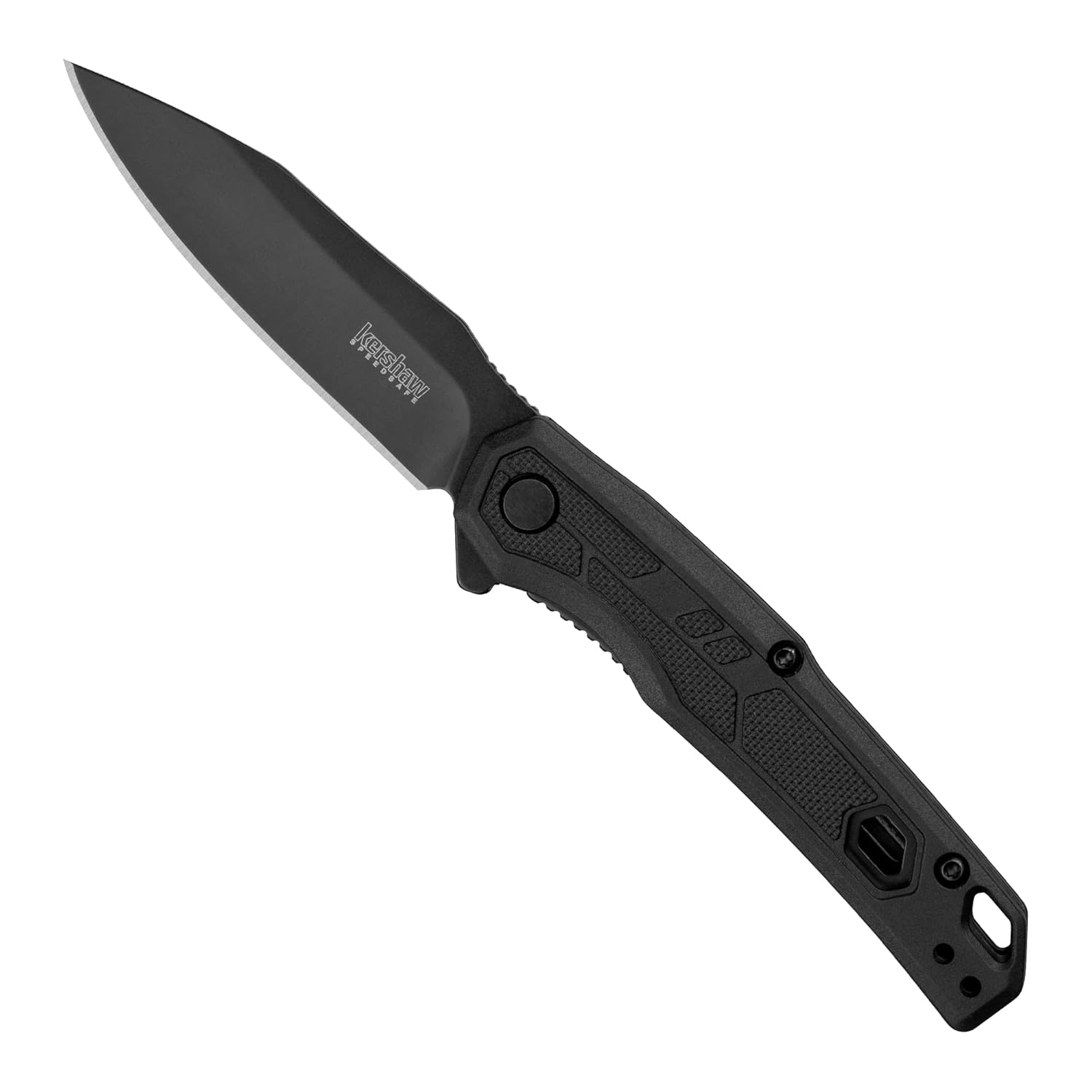
Kershaw makes a lot of knives. A lot. If you’ve walked into any big-box sporting-goods store or browsed Amazon’s knife section, you’ve already seen the blister-packed Cryo for $30 or the Leek for $45 hanging on a peg — these are pocket folding knives, meaning they have a blade that folds into the handle so you can carry them safely in a pocket or on a belt clip. Kershaw’s trick is that it sells everything from simple work knives at $16 all the way up to American-made precision folders pushing $131, and the gap between those two price points isn’t just cosmetic. The steel changes, the origin of manufacturing changes, and — critically — the opening mechanism’s behavior under hard use changes. This guide breaks all of that down in plain language so you can match your budget to the actual job you’re buying for, without overpaying for features you won’t use or, worse, underpaying and getting a blade that disappoints when it counts.
| EDITOR'S PICK[Kershaw Leek](https://www.amazon.com/dp/B0DTWWKPYG?tag=greenflower20-20) | Mid-tier[Kershaw Clash Black Serrated Po…](https://www.amazon.com/dp/B0057R8SSM?tag=greenflower20-20) | Budget pick[Kershaw Camshaft Pocket Knife](https://www.amazon.com/dp/B084MXP6MX?tag=greenflower20-20);… | |
|---|---|---|---|
| Steel Type | Sandvik 14C28N | 8Cr13MoV | 4Cr14 |
| Blade Length | — | 3" | 3" |
| Handle Material | 410 Stainless Steel | — | — |
| Lock Type | Frame and Tip Locks | — | — |
| Finish | BlackWash | — | — |
| Price | $73.73 | $39.94 | $21.95 |
| See on Amazon → | See on Amazon → | See on Amazon → |
The SpeedSafe System: What It Is and Where It Helps (and Doesn’t)
SpeedSafe is Kershaw’s proprietary assisted-opening mechanism. In plain terms: you apply light thumb pressure to a small protrusion on the blade (the “flipper tab” or thumbstud), and an internal torsion bar — a coiled spring — snaps the blade the rest of the way open automatically. The result is a one-handed opening that’s faster than a standard thumbstud folder but legal in most U.S. jurisdictions because the blade doesn’t open on its own (unlike a true automatic, or “switchblade,” which fires open at the press of a button without any blade contact).
Where SpeedSafe earns its keep: SpeedSafe excels in everyday carry (EDC) tasks where you need your knife out fast with one hand occupied — opening boxes while holding a load, field dressing a bird, or breaking down cardboard in a utility environment. Reviewers at Knife Informer consistently note the mechanism feels satisfying at the price points where Kershaw deploys it, particularly on models like the Launch series and the Blur.
The real trade-off: The torsion bar adds mechanical complexity that a simple liner-lock folder doesn’t have. Over high-cycle use — meaning thousands of open-close repetitions, as a professional guide or outfitter might accumulate — owners on Blade Forums report that spring tension can weaken, occasionally leaving the blade to open more sluggishly or inconsistently. It’s not a universal failure, but it’s the honest caveat. A simpler, spring-free folder will have fewer moving parts to fatigue.
One more nuance: SpeedSafe is not available on all Kershaw models. Some budget tiers and most of the Ken Onion Whittling Knife series use traditional manual opening. Know what you’re buying before you assume that peg-hung Kershaw will snap open like the Blur you handled at a show.
Steel Tiers by Price: Where Kershaw’s Lineup Actually Divides
This is the section most buyers skim past — and it’s the one that determines satisfaction a year from now. Kershaw’s steel choices tier up pretty cleanly by price bracket.
$16–$35 range: 8Cr13MoV and 3Cr13
These are Chinese-sourced stainless steels in roughly the same performance neighborhood as AUS-8 at the low end of AUS-8, or sometimes below it. Knife Steel Nerds’ composition database puts 8Cr13MoV at roughly 0.8% carbon with moderate chromium — enough for corrosion resistance, not enough for exceptional edge retention. For a glove-box knife or a beater you’ll loan out without anxiety, it’s perfectly serviceable. Owners consistently report that these steels sharpen easily on basic equipment, which is a genuine virtue. The trade-off is that they won’t hold an edge through a full day of heavy cutting without a touch-up.
$40–$85 range: 8Cr13MoV (better heat treat) and 14C28N
Kershaw’s mid-tier models — the Blur, the Leek, the Cryo II — often use 14C28N (a Sandvik-developed steel from Sweden) or a better heat-treated variant of 8Cr13MoV. Sandvik 14C28N is meaningfully better: higher carbon and a refined composition that Blade HQ’s product overviews note gives it toughness and edge retention that punches above its price class. Outdoor Life’s folding knife buyer’s guide consistently puts the Kershaw Blur in its recommended column specifically because that steel/price combination is hard to beat in the $50–$60 window.
$90–$131 range: CPM-154, S35VN, and Made-in-USA models
Here’s where the real Made-in-USA premium begins. Kershaw’s Knives of Alaska collaboration pieces, the Launch series automatics (where legal), and premium collaborations with designers like Ken Onion step into CPM-154 (a powder-metallurgy stainless with excellent corrosion resistance and meaningful edge retention) and occasionally S35VN. Knife Steel Nerds’ analysis of S35VN documents improved toughness over its predecessor S30V without sacrificing edge retention — at this price tier, that’s the right call for a hard-use folder. Owners posting long-run reviews on Blade Forums consistently report that these steels reward a quality sharpening stone and hold up through tasks that would leave a 8Cr13MoV blade rolled and sad.
By the numbers — Kershaw’s steel tiers at a glance:
| Price Range | Typical Steel | Edge Retention | Ease of Sharpening | Origin |
|---|---|---|---|---|
| $16–$35 | 3Cr13 / 8Cr13MoV | Low–Moderate | Easy | China |
| $40–$85 | 14C28N / 8Cr13MoV (premium HT) | Moderate–Good | Moderate | China / Taiwan |
| $90–$131 | CPM-154 / S35VN | Good–Very Good | Moderate | USA |
The Made-in-USA Premium: Is It Worth It?
Kershaw is an Oregon-based brand under KAI USA. The important nuance is that KAI manufactures some models domestically in Tualatin, Oregon, and sources others from its parent company’s facilities in Japan and China. The domestic production models — typically in the $90–$131 range — get more granular fit-and-finish attention, tighter blade-to-handle tolerances, and the better steels named above. Gear Junkie’s annual EDC knife guide notes that the manufacturing origin matters less for casual users than for people who will run the knife hard and expect consistent lock-up over years of use.
The honest verdict on the Made-in-USA premium, synthesized from owner testimony across Blade Forums and Knife Informer long-run review threads:
Buy American-made Kershaw if: You’re an outfitter, guide, or working hunter who will carry and use this folder daily, who cares about the lock engaging consistently at 10,000 cycles, and who wants a steel that rewards a quality sharpening system. The $90–$131 investment makes sense when you’re replacing a tool seasonally anyway and want each iteration to perform at a known ceiling.
Stay at mid-tier if: You want a reliable EDC that you won’t lose sleep over if it gets lost, loaned, or confiscated. The Blur at $50–$60 with 14C28N steel is one of the most consistently praised value folders on the market — Outdoor Life’s guides have returned to it year over year. There is no meaningful shame in this bracket; it’s where most people should spend their money.
Avoid the $16–$25 tier for anything you depend on: The 3Cr13 steel models exist for gift-giving, tackle boxes, and glove compartments. They are not field knives. Owners report edge degradation after moderate use, and the lock mechanisms on the cheapest SKUs show more variance in quality control. Blade HQ’s buying guides are transparent that these are introductory products, not working tools.
Handle Materials, Lock Types, and the Details That Quietly Determine Satisfaction
Kershaw uses a range of handle materials across its lineup that correlate somewhat — but not perfectly — with price.
Stainless steel handles (Cryo, Leek): These look sharp and feel substantial but get slippery when wet and cold in winter. Owners who carry the Cryo for outdoor tasks consistently note they wish for more grip texture. The Cryo’s framelock design (where part of the handle frame itself acts as the locking mechanism) is mechanically elegant, but that stainless frame adds weight.
Glass-filled nylon: Common on budget and mid-tier models. Light, grippy, adequate. Not exciting. Functional for years without complaint, per long-run owner threads.
Aluminum and G-10: G-10 (a fiberglass laminate) starts appearing in the $50–$80 range and is the right call for outdoor and hard-use carry — it’s grippy when wet, dimensionally stable in temperature extremes, and doesn’t add unnecessary weight. Owners consistently prefer it over stainless for any task beyond EDC desk duty.
Lock type matters more than most buyers realize: Kershaw uses liner locks and frame locks predominantly. Both are proven designs. The critical variable is lock-up consistency — how solidly the blade engages at the same point every time. This is where the Made-in-USA premium shows up in tactile ways. Owners in Blade Forums long-run threads report that mid-tier Chinese-made Kershaws occasionally show “lock rock” (very slight blade movement when locked) after extended use, while the domestic models hold tighter tolerances over time.
Clear Decision Rules: If X, Then Y
You’ve read the breakdown. Here’s how to translate it into a purchase decision without second-guessing yourself:
If you’re buying a first folder for general EDC and your budget is under $50: The Kershaw Blur ($50–$60 street price) in 14C28N is the right call. It’s been consistently recommended by Outdoor Life, Gear Junkie, and Knife Informer for years because it’s genuinely hard to beat at that number. If you need to go lower, the Cryo at $30 is fine — just know the steel has limits and the handle gets slippery wet.
If you’re an intermediate buyer who’s already owned a budget folder and wants to step up: Spend $70–$90 and look at Kershaw’s Ken Onion collaborations or their Launch series (where legal in your state). You’re buying fit-and-finish improvement and better steel, both of which you’ll notice immediately.
If you’re a guide, outfitter, or working hunter buying a tool you’ll use hard: The $100–$131 Made-in-USA tier with CPM-154 or S35VN is the appropriate call. The steel rewards proper sharpening, the tolerances hold up over high-cycle use, and you’re buying something that will perform consistently rather than degrade quietly. That said — be honest with yourself about whether a Kershaw at $131 is the right ceiling or whether you should be looking at Benchmade or ESEE at the next tier up for your primary field knife.
If you’re shopping for someone else without knowing their habits: The mid-tier Blur. Every time. It’s the recommendation that ages well regardless of the recipient.
The Kershaw lineup is genuinely broad enough to serve almost any buyer — the mistake is treating price tiers as interchangeable. The steel and origin differences are real, the SpeedSafe mechanism is a meaningful convenience with honest trade-offs, and the Made-in-USA premium buys measurable improvements in materials and tolerances, not just a flag on the box.