April 11, 2026 • Callum Reeve • 10 min reading time • Specs verified June 5, 2026
Cold Steel vs. CIVIVI in the $45–$115 Folder Window: Lock Strength, Steel Specs, and Who Each Brand Is Really For
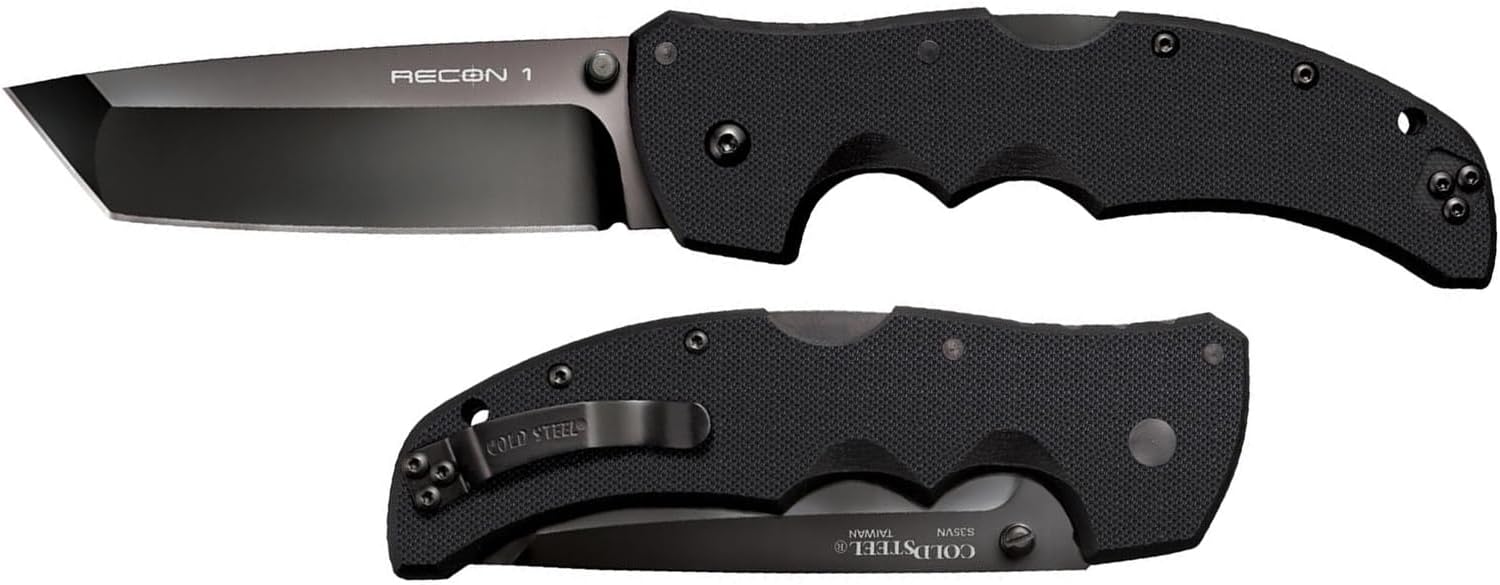
If you’re shopping for a folding knife — one that opens and closes on a pivot rather than having a fixed, exposed blade — somewhere between forty-five and a hundred-and-fifteen dollars, you’re standing at one of the most crowded and genuinely competitive shelves in the knife market. Two brands dominate the conversation at this price point: Cold Steel, an American company now owned by GSM Outdoors, with a long reputation for making folders that feel almost absurdly sturdy, and CIVIVI, a sub-brand of WE Knife Co., a Chinese manufacturer that has been quietly redefining what budget-to-mid-tier steel quality and finish can look like. Both brands make good knives. But they’re built around different priorities, and buying the wrong one for your use case is a real and common mistake. This article maps those tradeoffs explicitly so you can make a clean call.
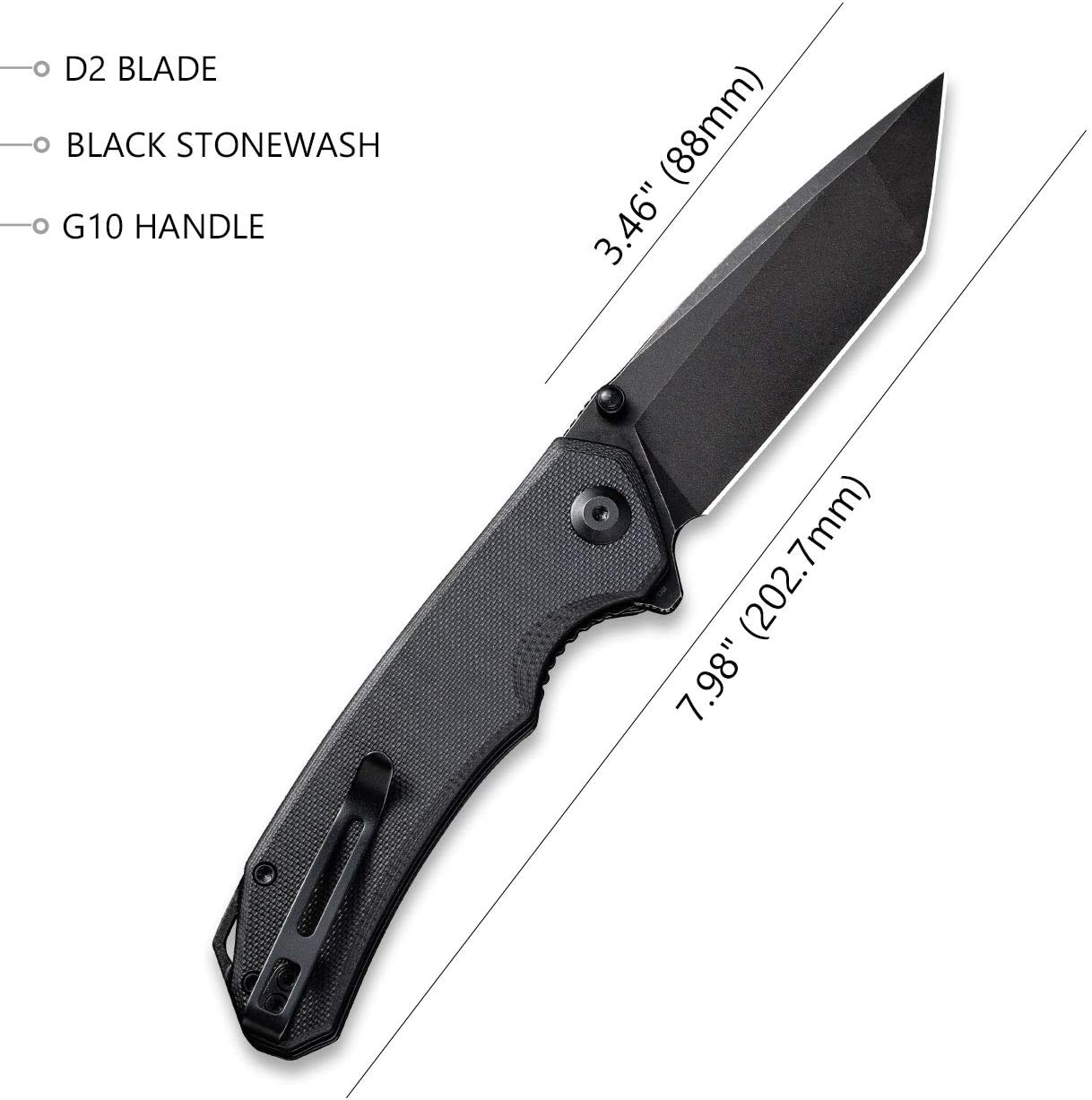
| EDITOR'S PICKCOLD STEEL Recon 1 4" S35VN Raz… | Mid-tier[CIVIVI Brazen Folding Pocket Kn…](https://www.amazon.com/dp/B08S3B7K9J?tag=greenflower20-20) | Budget pick[CIVIVI Praxis Flipper Pocket Kn…](https://www.amazon.com/dp/B08PF6NHLJ?tag=greenflower20-20) | |
|---|---|---|---|
| Blade Length | 4" | 3.5" | — |
| Blade Steel | S35VN | D2 | — |
| Lock Type | Tri-Ad Lock | — | — |
| Opening Mechanism | — | Thumb Studs, Flipper | Flipper |
| Pocket Clip | Ambidextrous | — | — |
| Price | $110.35 | $49.30 | $42.50 |
| See on Amazon → | See on Amazon → | See on Amazon → |
The Lock Question: Cold Steel’s Tri-Ad vs. CIVIVI’s Liner and Frame Locks
The lock mechanism on a folding knife is what keeps the blade open and your fingers intact while you’re using it. It’s the single most important structural variable in a folder, and the two brands have taken almost opposite philosophies here.
Cold Steel’s Tri-Ad Lock
Cold Steel has built its brand identity around the Tri-Ad lock, a modified back-lock design that adds a stop-pin to the traditional rocker-bar mechanism. According to KnifeInformer’s Tri-Ad Lock Review and Mechanism Analysis, the stop-pin geometry distributes load differently than a simple liner lock, resisting both forward (blade-folding) and lateral (sideways-rocking) blade movement under stress. Cold Steel’s in-house testing demonstrations — which involve striking the spine of an open blade with a mallet — are theatrical by design, but the underlying engineering point is documented and consistent: the Tri-Ad’s architecture is rated for an abuse envelope that most liner locks at any price point do not match. If your folder is doing real prying, batoning, or emergency field work, the Tri-Ad’s geometry is a meaningful differentiator.
CIVIVI
$49.30
In stock on Amazon
Check price on AmazonCIVIVI’s Liner and Frame Locks
CIVIVI primarily uses liner locks — a spring-loaded strip of steel that snaps behind the blade tang when opened — and, on select titanium-handled models, frame locks, where the handle itself provides the locking bar. Both are thoroughly proven mechanisms used on knives costing five to ten times as much. They are not weak; they are simply not rated for the same sustained abuse as the Tri-Ad. BladeHQ’s CIVIVI product listings describe lock types clearly per model, and owner reports archived on BladeForums’ CIVIVI long-term use thread consistently describe solid liner-lock engagement, good blade centering out of the box, and no early play developing under normal daily use.
What the liner lock doesn’t offer is the same capacity for hard field abuse that Cold Steel targets. For everyday cutting — boxes, food prep, cordage, the occasional harder cut — CIVIVI’s liner lock is fully adequate. For a folder that credibly substitutes for a fixed blade under genuine stress, Cold Steel’s Tri-Ad is the more defensible choice at this price tier.
CIVIVI
$49.30
In stock on Amazon
Check price on AmazonDecision Frame: Which Lock Fits Your Use Case
If your knife will see primarily everyday carry duties, CIVIVI’s liner lock is appropriate and well-executed for the price. If you want a folder that can handle sustained field work or conditions where a lock failure would be genuinely dangerous, Cold Steel’s Tri-Ad architecture is the correct answer in this price window. These are not equivalent use cases, and the lock choice should follow the use case — not the other way around.
CIVIVI
$49.30
In stock on Amazon
Check price on AmazonSteel Specs: What You’re Actually Getting at Each Price Point
This is where CIVIVI makes its strongest argument, and where Cold Steel requires the most honest acknowledgment.
CIVIVI’s Steel Tier at $45–$115
CIVIVI regularly specs its knives in this window with 9Cr18MoV, D2, 20CV, and 14C28N, depending on the model. The appearance of 20CV — a high-end powder-metallurgy stainless with strong edge retention and corrosion resistance typically seen on $150–$300 knives from American makers — in CIVIVI’s sub-$100 lineup is one of the most consistently discussed data points in the enthusiast community. Knife Steel Nerds, a materials-science-focused publication covering cutlery alloy composition and heat treatment, has documented that 20CV’s real-world performance is as much a function of heat treat quality as alloy composition. CIVIVI’s WE Knife manufacturing base has a documented reputation for consistent heat treatment across production runs, which is what separates a well-made 20CV blade from a disappointing one. BladeHQ’s CIVIVI product listings confirm the 20CV spec on multiple models in this price range, and BladeForums’ long-term CIVIVI use thread includes multi-year edge-retention reports from owners using the steel in daily cutting work.
Cold Steel’s Steel Tier at $45–$115
Cold Steel’s folders in this window typically run AUS-8 and AUS-10A. AUS-8 is a well-understood Japanese stainless that sits slightly below D2 in edge retention but is genuinely easy to sharpen in the field and highly corrosion-resistant — a real-world advantage for wet or saltwater environments. AUS-10A steps that up meaningfully: its elevated carbon and vanadium content, as described in Knife Steel Nerds’ published alloy composition reference material, brings it closer to the lower end of the premium stainless tier. Cold Steel’s heat treating on AUS-10A is widely reported as consistent across production batches. Neither steel is an embarrassment — AUS-8 in particular has a long working track record in professional use — but when CIVIVI is placing 20CV in the same price window, Cold Steel’s mid-tier steel specs require honest acknowledgment rather than brand-loyalty rationalization.
Representative Spec Comparison
| Model | Brand | Price (MSRP) | Steel | Lock Type | Blade Length | Tier |
|---|---|---|---|---|---|---|
| Cold Steel Voyager Large | Cold Steel | ~$55 | AUS-10A | Tri-Ad | 4.0 in | CIVIVI — $42.50 |
| CIVIVI Elementum | CIVIVI | ~$65 | 20CV (option) | Liner Lock | 2.96 in | CIVIVI — $42.50 |
| Cold Steel American Lawman | Cold Steel | ~$80 | AUS-10A | Tri-Ad | 3.5 in | CIVIVI — $49.30 |
| CIVIVI Conspirator | CIVIVI | ~$85 | 20CV | Liner Lock | 3.25 in | CIVIVI — $49.30 |
| Cold Steel SR1 Lite | Cold Steel | ~$100 | AUS-10A | Tri-Ad | 3.5 in | COLD — $110.35 |
Pricing reflects typical street pricing as of mid-2026 via BladeHQ and Knife Center product listings. Exact configurations and steel options vary by production batch.
Handle Materials, Fit, Finish, and the Carry-Feel Divide
Here the brands diverge in a way that is harder to quantify but immediately apparent in hand.
Cold Steel builds most of its mid-tier folders with Griv-Ex — a glass-reinforced nylon — handles and stainless steel liners. The result is a knife that is objectively robust. Griv-Ex doesn’t absorb moisture, doesn’t crack in cold, and doesn’t care about hard use. But it feels utilitarian, and Cold Steel’s design language in this price range is deliberately tactical and large-blade-oriented. The Voyager series, for example, runs blade lengths that would be unusual on a $100 CIVIVI. Gear Junkie’s Best Folding Knives: Mid-Range Value Picks roundup has flagged Cold Steel’s size and grip profile as both a strength — for working use and buyers with large hands — and a barrier for EDC discretion and lighter carry preferences.
CIVIVI invests noticeably more in handle variety and surface finishing at equivalent price points. G10 (a fiberglass laminate), micarta (linen or canvas resin composite), carbon fiber, and stabilized wood all appear in the $65–$115 CIVIVI window. Tolerances — blade centering, pivot action, lock-up — are described consistently as tight for the price tier. BladeHQ’s CIVIVI product listings and BladeForums’ long-term owner reports describe out-of-box fit and finish as matching knives at two to three times the price, with a noted caveat about clip screws backing out on some early production runs — an issue largely addressed in more recent batches, per archived forum commentary.
CIVIVI also runs an active design-collaboration program, working with outside designers for specific models. If design aesthetic matters alongside function, CIVIVI’s catalog offers substantially more visual variety than Cold Steel’s in this price window.
Who Each Brand Is Actually For
The Case for Cold Steel in This Window
Buy Cold Steel if you want the most robust lock mechanism available under $100. The Tri-Ad is a legitimate engineering differentiator — KnifeInformer’s Tri-Ad Lock Review and Mechanism Analysis documents why the stop-pin geometry matters under load — and nothing in CIVIVI’s catalog at this price point competes with it on that specific axis.
Buy Cold Steel if you work in wet or maritime environments where AUS-8’s corrosion resistance profile is an operational asset. Buy it if you want a blade in the 3.5 to 4-inch range at a price where CIVIVI tends toward smaller, more EDC-oriented profiles. Buy it if you’re outfitting a work kit or guide operation where lock durability under abuse and easy replacement matter more than steel performance at the fine-cutting margin. And buy it if your sharpening setup is basic: AUS-8 and AUS-10A both sharpen readily on common abrasives, while 20CV needs more attention and better stones to come back correctly.
CIVIVI
$49.30
In stock on Amazon
Check price on AmazonThe Case for CIVIVI in This Window
Buy CIVIVI if steel composition is your primary variable and you want the best alloy available for the money. 20CV at $65–$85 street price is a genuine market anomaly in 2026, documented consistently across BladeHQ listings and owner reports on BladeForums. Buy it if fit, finish, and design variety matter — CIVIVI’s production quality is competitive with American-made folders at $150–$200 based on aggregated owner reports from Knife Center and BladeHQ customer reviews.
Buy CIVIVI if you’re building everyday carry habits and want a knife that carries lightly, opens smoothly, and doesn’t read as a tactical statement in work or social settings. Buy it if you’re willing to invest in sharpening: higher-alloy steels like 20CV are rewarding if you have a basic whetstone setup, and the edge durability you get in return is measurable over extended daily use. And buy it if you’re on the upgrade ladder from a $30–$50 first knife and want a quality step up without jumping to the $200-plus tier.
CIVIVI
$49.30
In stock on Amazon
Check price on AmazonThe Honest Caveat on Both Brands
Cold Steel’s ownership transition to GSM Outdoors — finalized around 2021 — has generated persistent concern in enthusiast communities about quality-control consistency on recent production. KnifeInformer’s Tri-Ad Lock Review and Mechanism Analysis notes that the mechanism design itself is unchanged, but commentary on BladeForums’ post-transition production threads suggests more variation in fit and finish on recent runs than on older Cold Steel production. It is worth checking recent owner reviews on BladeForums and BladeHQ before buying a specific Cold Steel model rather than relying on legacy reputation alone.
CIVIVI’s primary caveat is the sharpening requirement. 20CV and D2 variants both need patience and appropriate abrasives. A pull-through sharpener will frustrate you. A basic edge-setting stone at 220–400 grit followed by a 1000-grit refinement step will handle it — but that is a real cost of ownership to plan for before purchase.
CIVIVI
$49.30
In stock on Amazon
Check price on AmazonThe Decision Rule
If your folder is your one field tool and you want maximum lock confidence under stress, Cold Steel is the correct choice in this window. Take the Tri-Ad, accept the steel tier, and budget for proper sharpening stones.
If your folder is an everyday carry piece, a capable daily cutter, or a deliberate step up the steel ladder, CIVIVI earns the buy on almost every spec and finish metric at this price range. Take the 20CV model you can afford, learn to maintain it properly, and you’ll have a knife that would have cost $150–$180 five years ago.
Both brands are honest value. Neither is the right answer for everyone. The correct choice follows from your use case — not from brand loyalty or forum consensus.